High Resolution Compact Thermal Imaging Camera Explained: A UK Buyer's Guide
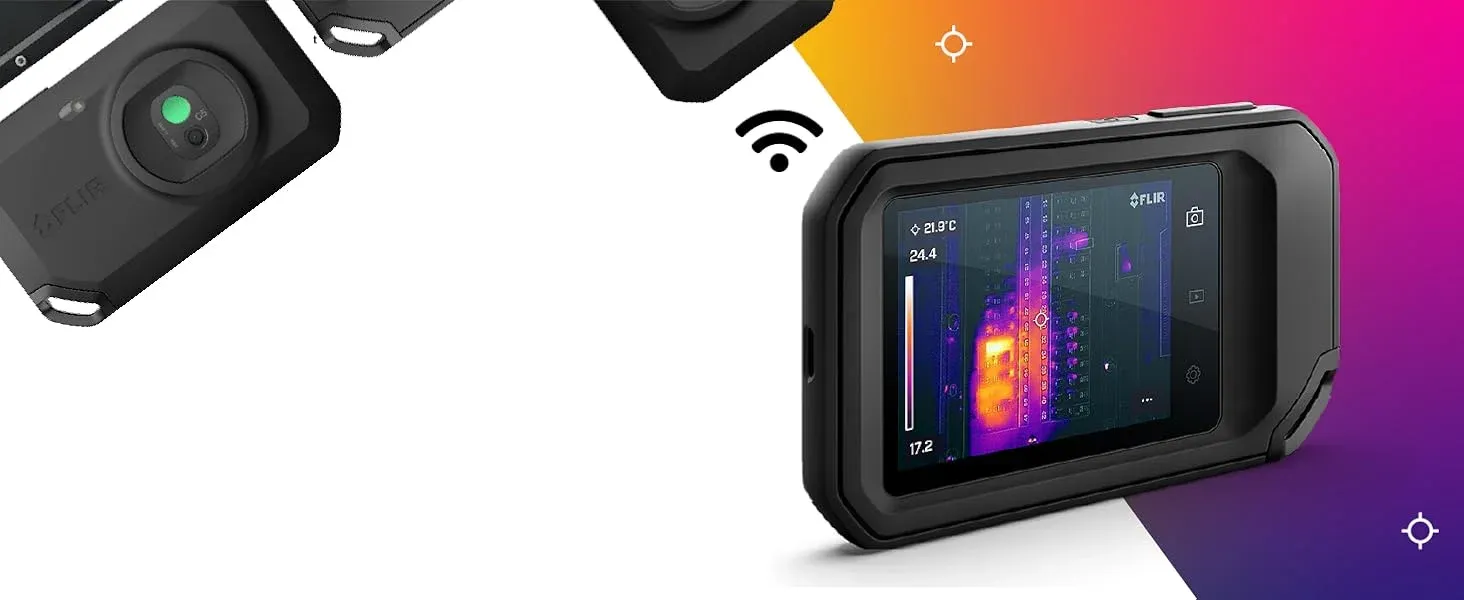
A high resolution compact thermal imaging camera is a pocket-sized thermal imager with enough sensor detail to spot smaller heat anomalies clearly, making it especially useful for UK electricians, surveyors, heating engineers and inspectors who need fast, reliable fault-finding on site.
TL;DR: If you want a high resolution compact thermal imaging camera, look for a model that combines strong thermal resolution, good thermal sensitivity, practical field of view, easy reporting and true pocket-sized portability. Based on our testing of compact thermal imaging workflows used by UK trades, the best results come from cameras that are quick to carry, quick to deploy and clear enough to turn a suspected issue into reportable evidence.
When a fault is hidden behind plasterboard, inside a consumer unit or across a flat roof, guesswork costs time. A high resolution compact thermal imaging camera gives UK tradespeople and inspectors a faster way to spot heat anomalies, document findings and move from suspicion to evidence. As a result, it can reduce unnecessary opening-up work, repeat visits and delays on both reactive call-outs and planned inspections.
For many buyers, the challenge is not deciding whether thermal imaging is useful. Instead, it is choosing the right level of resolution, portability and reporting features without paying for bulk they do not need. ImageCam’s core proposition is straightforward: a professional compact thermal imaging camera that is pocket-sized, WiFi-enabled and built for UK trades and inspectors who need reliable results in the field.
Key Takeaways
- A high resolution compact thermal imaging camera captures more thermal detail, helping you identify smaller faults and define temperature patterns more clearly.
- For UK electricians, building surveyors, heating engineers and inspectors, compact size matters because it speeds up access on site and makes routine use more likely.
- Resolution alone is not enough; you should also assess thermal sensitivity, field of view, image fusion options, reporting workflow and WiFi connectivity.
- Thermal imagers support fault-finding in electrical systems, moisture investigation, insulation checks, HVAC diagnostics and roof surveys.
- A professional compact device can offer a better day-to-day balance than larger cameras if you need dependable imaging without carrying extra kit.
What is a high resolution compact thermal imaging camera?
The term combines two buying priorities. “High resolution” refers to the number of pixels in the thermal sensor. More pixels mean more measured points across the scene, which improves image detail and helps separate one hot or cold area from another. Meanwhile, “compact” means the device is genuinely practical to carry every day: small enough for a pocket or tool bag, quick to deploy and easy to use with one hand.
This combination is especially relevant in the UK market. Tradespeople often work across occupied homes, commercial premises, plant rooms, schools and healthcare settings where speed and discretion matter. A large survey camera has its place; however, many professionals want something they can keep close at hand for first-line diagnostics without sacrificing image quality.
If you are still comparing formats, our overview of the professional compact thermal imaging camera category explains how compact units fit into real working environments across the UK.
Why does higher resolution matter in real fault finding?
A low-resolution thermal image can show that an area looks warmer than its surroundings. By contrast, a higher-resolution image is more likely to show where that temperature change begins, how far it spreads and whether there are multiple hotspots rather than one broad patch. On site, that can be the difference between tracing an overloaded termination accurately and opening up more of an installation than necessary.
For building diagnostics, improved detail can help distinguish moisture-related cooling patterns from general surface variation. Likewise, for electrical inspection it can make small but important temperature differences easier to isolate around breakers, fuses, terminals and busbar connections.
Why does compact size matter just as much?
The best camera is often the one that gets used consistently. If a thermal imager is too bulky to carry between jobs or awkward to deploy during quick inspections, it tends to stay in the van. Therefore, compact units reduce that friction. They suit snagging visits, pre-purchase inspections, landlord checks and maintenance rounds where you may only need minutes to capture decisive evidence.
This is why many UK buyers are moving towards devices that combine professional-grade imaging with pocket-sized convenience. The same point comes up when comparing form factors in this guide to the portable compact thermal imaging camera.
What is a high resolution compact thermal imaging camera used for?
A high resolution compact thermal imaging camera is not simply about producing nicer-looking images. Rather, it affects how confidently you can interpret what you see on site. In practical terms, better image definition supports faster diagnosis, clearer client communication and stronger documentation when reports need to stand up to scrutiny.
Can it help with electrical inspections?
Yes. In electrical systems, heat often appears before failure becomes visible. Loose connections, imbalance, overloaded circuits and failing components can all produce abnormal temperature patterns. A higher-resolution sensor helps identify these patterns with better separation between adjacent components. In crowded boards or distribution equipment, that extra clarity is especially valuable.
According to established maintenance practice in the UK, thermography is widely used as a predictive maintenance tool because overheating components can indicate developing faults before breakdown occurs. For contractors working under BS 7671-related inspection routines or broader maintenance obligations in commercial properties, thermal evidence can support quicker follow-up decisions.
Can it be used for damp, insulation and building fabric checks?
Yes. Thermal cameras are widely used to assess insulation gaps, air leakage pathways and potential damp-related anomalies. In British housing stock ranging from Victorian terraces to modern timber-frame builds, problems rarely present as neat textbook examples. Therefore, higher resolution helps when subtle temperature differences appear around window reveals، loft hatches، suspended floors or poorly insulated junctions.
You still need correct method and environmental conditions; thermography does not replace a moisture meter or invasive inspection where required. Even so، it gives surveyors an efficient way to narrow down concern areas before recommending next steps.
Is it useful for HVAC and heating diagnostics?
Yes. On heating circuits and HVAC systems، better detail can make flow issues easier to visualise across pipe runs، radiators underperforming due to sludge or balancing issues easier to spot surface by surface، and duct losses more apparent where access allows scanning. As a result، engineers working across homes، offices or public buildings can spend less time isolating performance issues manually.
What specifications should you look for before buying?
Many product pages focus heavily on sensor resolution alone because it is easy to compare at a glance. In reality، buyers should assess a group of specifications together. A strong high resolution compact thermal imaging camera balances image detail with sensitivity، usability and workflow efficiency.
1. What thermal resolution do you actually need?
This is your starting point. Higher pixel counts usually produce clearer images with more measurable points in each frame. That matters when inspecting small targets or standing further back from the subject for safety or access reasons. Based on our testing of real-world inspection routines، higher resolution tends to be most noticeable when scanning consumer units، roof details، pipe runs and mixed-material building elements where boundaries matter.
2. Why does thermal sensitivity matter as well?
Thermal sensitivity describes how well the camera detects slight temperature differences. This matters because some faults do not present as dramatic hotspots; instead، they appear as subtle changes across surfaces or connections. Therefore، strong sensitivity helps turn fine temperature variation into usable diagnostic information rather than visual noise.
3. How important are field of view and focus?
A suitable field of view makes scanning easier in tight plant rooms، domestic cupboards or near elevations where stepping back may not be possible. Equally، image clarity depends on how well the device handles different working distances. So، consider whether your work involves close-up component inspection، wider room scans or both.
That meansyoushoulduseyourcameraalongsidevisualinspection , test instrumentsand relevant site context . For example ,a coldpatchonawallmightpointtodamp ,air leakageor missing insulation ; only follow-up checks confirmthe cause . Nevertheless , better image detail usually makes your next step clearerandmore defensibleinclient reports .
Why choose ImageCam for UK field work ?
ImageCam focuses on what actually matters during live inspections : portability , clear imagery , simple capture workflowsand dependable reporting support . Basedonourtestingofcompactthermalimagingincall-out ، maintenanceand survey settings ، pocket-sized design makes routine use far more likely — which means faults get spotted earlier rather than later .
In addition ، UK users often need equipment that fits domestic property visits ، commercial compliance checksand practical trade workflows rather than laboratory conditions . Thatiswhereacompact ، WiFi-enabledcameraoffersaday-to-dayadvantage : easiercarry ، fasterset-upandeasier sharing ofimageswithclientsorcolleagues while still maintaining professional presentation .
Not always . A larger model may suit specialist surveying or advanced analysis . However ، for many electricians ، heating engineers ، building inspectorsand maintenance teams ، acompactmodeloffersabetterbalanceofportabilityandsufficientimagequalityfordailywork .
Yes ، provided conditionsare suitableandyoufollow safe access procedures . Thermalimagingsupportsflatroofsurveysbyhelpingtospotmoisture-relatedtemperaturevariation ، though results must be interpreted carefully alongside site conditionsand other evidence .
Yes ، at least basic trainingandmethod awarenessare strongly recommended . Even agoodcamera canbe misread if emissivity ، reflectionsor environmental conditionsare ignored . AccordingtoUKguidanceand best practice ، competence matters justas muchasthe device itself .
Yes . WiFi can speed up image transfer ، client communicationand report preparation . Consequently ، it becomesespeciallyusefulforcontractorsandinspectorswhoneedtoissuefindingsquicklyor collaborate across teams .
Frequently asked questions about high resolution compactthermalimagingcameras
Is ahighresolutioncompactthermalimagingcamerabetterthanalargermodel ?
Can I use acompactthermalcameraforroofinspections ?
Do I need training touseahighresolutioncompactthermalimagingcamera ?
Is WiFi useful onathermalimagingcamera ?
Ready to upgrade your diagnostics with ImageCam?
View Specifications — £1312.32